
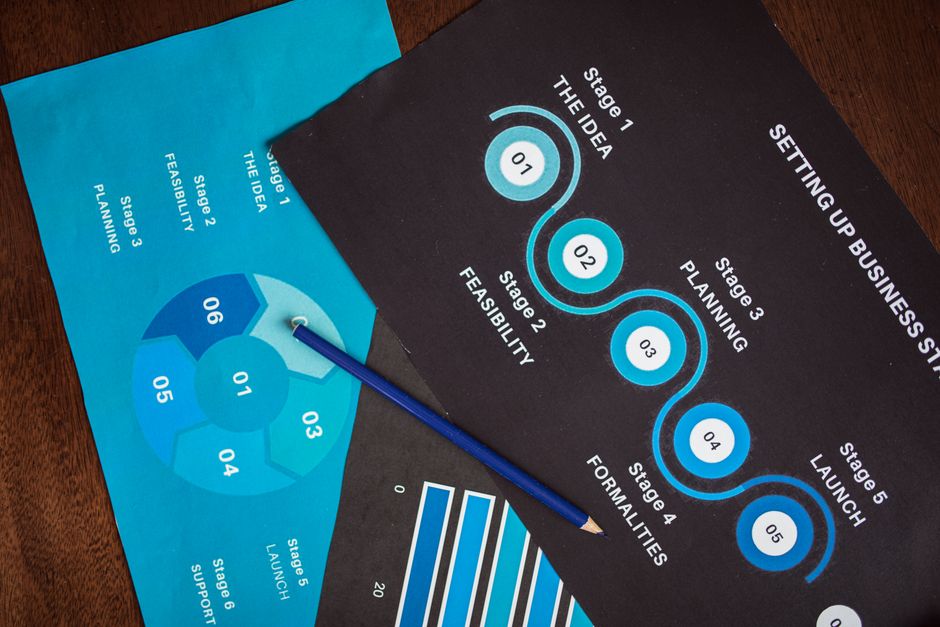
The 5 steps reconciliation process is a structured approach to comparing two sets of financial records and making sure they match. It’s how finance teams verify that their books are accurate, catch errors, and maintain compliance. If you’ve ever wondered why reconciliation takes so long or feels chaotic, it’s probably because you’re missing a clear framework. Let’s break down exactly what this process looks like and why each step matters.
Step 1: Data Import and Normalization
The first step is getting all your data in one place and making it consistent. This sounds simple, but it’s where most reconciliation efforts fall apart.
Related: What Is Reconciliation Process Automation? (2026 Guide)
Related: Stripe Payment Reconciliation Best Practices Guide
Related: 5 Steps to Reconcile Your Account: Complete 2026 Guide
You’re pulling data from multiple sources: bank statements, your general ledger, subsidiary records, adjustment entries, and approval sign-offs. Each system has its own format. Bank statements look different from GL exports. Customer records might use different date formats or naming conventions.
Normalization means converting everything into a standard format so you can actually compare apples to apples. You’re creating a single source of truth where dates align, line items use consistent naming, and amounts are in the same currency and decimal places.
This is why Flows360 handles data standardization at scale. When you’re reconciling across dozens of systems, manual normalization becomes a bottleneck. A platform that automates this step cuts your reconciliation cycle in half.

Step 2: Identifying Reconciling Items
Once your data is normalized, you compare the two sets of records side by side and look for differences.
This is where you’re hunting for discrepancies: transactions that appear in one system but not the other, amounts that don’t match, timing differences between when a payment clears and when it posts. You’re flagging every single variance, no matter how small.
Common reconciling items include:
- Outstanding checks (issued but not yet cleared)
- Deposits in transit (received but not yet posted)
- Timing differences between bank posting dates and your internal records
- Duplicate transactions
- Transposed numbers or data entry errors
This step requires discipline. You need a systematic way to track which items you’ve reviewed and which ones still need investigation. Spreadsheets work for small organizations, but they become unreliable once you’re handling hundreds of line items.
Step 3: Bank Fee Reconciliation
Bank fees and charges need their own dedicated attention during reconciliation.
Your bank statement includes monthly fees, overdraft charges, wire transfer fees, and other service charges. These often surprise people because they’re not always obvious on the statement. You need to verify that your GL includes every single fee the bank has charged you.
This is also where you catch unauthorized fees or charges that don’t match your pricing agreement. Maybe the bank charged you a fee you didn’t negotiate, or a fee amount is different from what you expected.
Common bank fees to reconcile include:
- Monthly maintenance fees
- Overdraft fees
- Wire transfer fees
- ACH fees
- NSF (non-sufficient funds) charges
- Stop payment fees
Create an entry in your GL for each fee category. Then cross-check the bank statement total for each fee type against your GL. This prevents you from accidentally missing fees later.
Step 4: Exception Resolution and Sign-Off

After you’ve identified all the reconciling items, you now have to explain and resolve each one.
Some items resolve themselves. That outstanding check from last month? It probably cleared this month. That deposit in transit? It posted. You adjust your records accordingly and document the resolution.
Other items need investigation. Maybe there’s a data entry error. Maybe a transaction was duplicated. Maybe a system didn’t sync properly. You trace back to the original source documents, figure out what actually happened, and determine the correct action.
Once you’ve resolved every discrepancy, you obtain sign-offs and approvals from the relevant stakeholders. In most organizations, the finance controller or accounting manager reviews and approves the reconciliation. Some environments require dual sign-offs for compliance reasons.
Related: Best AI-Powered Reconciliation for Accounting Teams 2026: Top 5 Ranked
Related: Best Automated Account Reconciliation for Finance 2026: Top 5 Ranked
This approval step is non-negotiable. It creates accountability and ensures that someone with authority has verified the accuracy of the reconciliation. Without it, you don’t have an audit trail or a clear record of who approved what.
When reconciliations span multiple teams (like cash team, customer success team, finance team), you need a system that tracks approvals and makes it impossible to skip the sign-off process. That’s where Flows360‘s governed workflows shine. You build approval gates directly into your reconciliation process, and nothing moves forward until the right person approves it.
See where your workflows are leaking time?
Step 5: Documentation Storage
The final step is storing everything in an organized system that you can retrieve later.
This isn’t just about archiving files. You need a system where you can pull up any reconciliation from any period and see exactly what was reconciled, who approved it, what discrepancies were found, and how each one was resolved.
Here’s why this matters: auditors will ask for this. Tax authorities will ask for this. If something goes wrong three years from now, you need to be able to reconstruct what happened without guessing or digging through email chains.
Documentation should include:
- The original source documents (bank statements, GL reports, subsidiary records)
- A detailed listing of all reconciling items identified
- An explanation of how each discrepancy was resolved
- Signed approvals from all stakeholders
- The final reconciled amounts
- The date and time the reconciliation was completed
Store this in a system that’s searchable and audit-proof. A shared drive with random folder names doesn’t cut it. You need version control, date stamps, and a clear audit trail. Most enterprise organizations use their finance management system or a dedicated document repository.
This is also where reconciliation stops being a one-time monthly event and becomes an ongoing operational process. You’re building institutional knowledge. When your team lead leaves, the next person can open the system and see exactly how reconciliations were handled historically.
Why This Process Matters
Reconciliation isn’t just busywork. It’s your financial safety net.
When you follow the 5 steps deliberately, you catch errors before they compound. You prevent fraud. You maintain compliance with audit requirements. You build confidence that your financial records are accurate.
The biggest mistake most organizations make is treating reconciliation like a checklist instead of a process. They rush through steps, skip approvals, and lose documentation. Then when something goes wrong (and something always does), they can’t trace what happened.
The honest version: reconciliation requires patience and deliberate execution. If your team is burnt out on manual spreadsheet work, the answer isn’t to move faster. The answer is to automate the repetitive parts so your team can focus on the exception-handling and approval work that actually requires human judgment.
That’s where having the right platform becomes critical. Flows360 was built for exactly this scenario. You define your reconciliation workflow once, then the platform handles data normalization, discrepancy detection, approval routing, and documentation storage automatically. Your team gets back to the strategic work instead of battling spreadsheets.
Making It Stick in Your Organization

Rolling out a clean reconciliation process takes commitment from everyone involved.
Finance needs to commit to following all five steps every single month. Operations needs to commit to providing clean, timely data. Leadership needs to commit to enforcing the approval requirements. Without buy-in across the board, you’ll drift back into chaos.
Start by documenting your current process. Where are the failures happening? Is it in data collection? Discrepancy resolution? Approvals? Documentation? Once you identify the pain points, you can tackle them systematically.
If you’re managing reconciliations across multiple regions, currencies, or business units, complexity increases exponentially. That’s when a workflow orchestration platform becomes essential. You can’t rely on individual spreadsheets or email threads anymore. You need a centralized system with built-in controls.
The best reconciliation processes are boring. Nothing surprising happens. Discrepancies are caught and resolved predictably. Approvals flow through automatically. Documentation is always complete. That’s the goal you’re working toward, and the 5 steps framework is your roadmap to get there.
See where your workflows are leaking time?